Guardians of the Tideline: Britain’s St Nicholas Chapels and the Work of Keeping Them
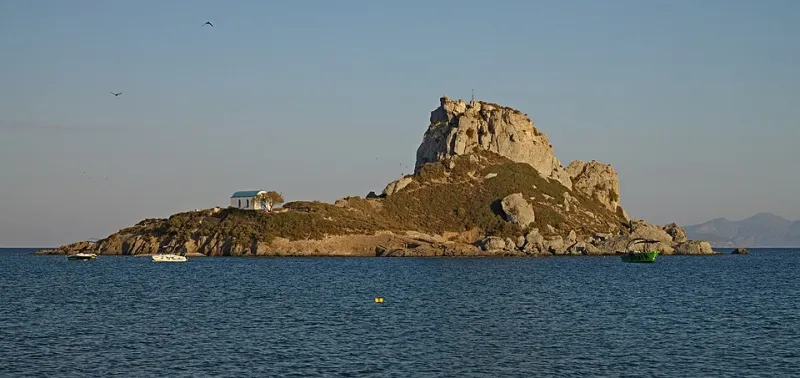
Photo: Ввласенко, CC BY-SA 3.0, via Wikimedia Commons
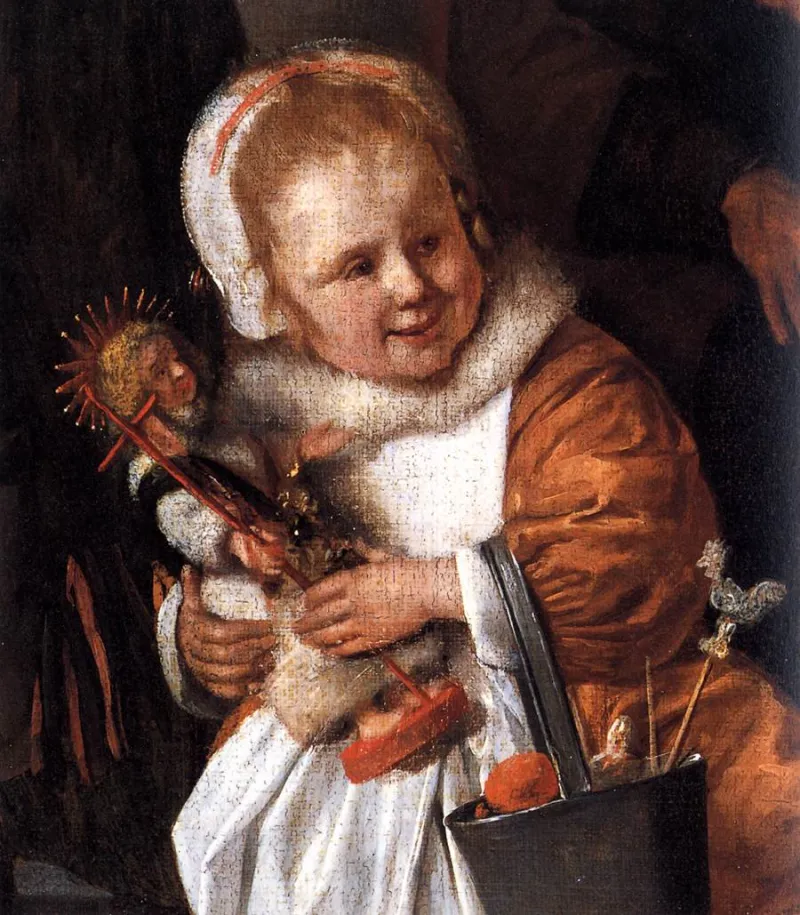
St Nicholas is often encountered in December as a figure of legend and gift-giving, but around the British coast his older identity remains close to the surface. He is the patron of sailors and fishermen, of merchants and travellers, and of children and the wrongfully accused. For ports and fishing communities, that combination made him a natural companion in dangerous waters. The chapels, churches and former places of worship dedicated to him are therefore more than picturesque landmarks. They are evidence of a maritime devotional culture that shaped harbour towns and still deserves careful stewardship.
Why sailors took the saint to heart
The adoption of St Nicholas by seafarers was neither accidental nor merely decorative. His cult spread across medieval Europe through merchants, pilgrims and sailors themselves, and coastal dedications often followed trade routes and fishing grounds. A chapel dedicated to St Nicholas might be placed on a headland, at the end of a quay, or on a route between the harbour and the market. Its position allowed a blessing to be sought before departure and thanks to be given after return.
The saint’s feast on 6 December also gave coastal communities a natural point in the winter calendar: a patronal festival before the intensity of Christmas, with its own liturgy, music and civic customs. Guilds associated with mariners and merchants frequently maintained lights, altars and charities in his honour. In this sense, St Nicholas belonged to the working year of the sea as much as to the devotional life of the parish.
A tour of survival and loss
Britain’s coastal St Nicholas sites form an uneven map. At Ilfracombe, the chapel on Lantern Hill commands the harbour and reminds the visitor how closely sacred and commercial space could sit together. Great Yarmouth’s Minster, dedicated to St Nicholas, speaks to the wealth and ambition of a major herring port. King’s Lynn’s chapel of St Nicholas, long associated with the town’s maritime and merchant life, illustrates how a chapel of ease could serve a growing urban population. These are not isolated curiosities; they are part of a wider network of maritime dedications around England, Wales and Scotland.
Loss is part of the story too. Coastal erosion has taken whole churches and settlements, and the sea continues to test defences at several historic sites. Wartime bombing and subsequent restoration have altered others, sometimes leaving a medieval core wrapped in later repair. Some chapels survive as ruins; some have passed into private ownership; others remain in regular parochial use. The variety is itself a conservation challenge, because no single model of care fits a hilltop chapel, a town-centre minster and a fragmentary ruin exposed to salt wind.
Conservation pressures in 2026
The pressures facing these sites are both physical and organisational. Salt-laden air attacks stone, iron and timber. Storm surges and changing rainfall patterns test drainage and gutters. At exposed sites, coastal erosion can make long-term planning uncertain, while access routes, car parks and boundary walls may need attention as often as the building itself. Inside, heating and ventilation must balance the needs of worship, visitors and fragile fabric.
Less visible is the pressure on people. Many churches and chapels are kept open by small teams of volunteers who manage opening hours, events, maintenance and interpretation. Faculty jurisdiction, grant applications and insurance requirements are not glamorous subjects, but they determine whether a building can remain accessible. Heritage bodies such as the National Churches Trust, the Churches Conservation Trust and local historic churches trusts offer advice and funding, yet demand consistently exceeds supply. The task in 2026 is not only to repair stone but to sustain the relationships that keep these places alive.
Visit and support
Visitors can help, provided they visit thoughtfully and support the groups already doing the work.
- Check opening arrangements before travelling. Parish websites, local heritage trusts and diocesan listings are more reliable than old guidebooks.
- Attend a service or patronal event where one is held. Regular worship remains the primary use of many of these buildings, and visitors are usually welcome at published services.
- Give where you can. Contactless terminals, donation boxes and Gift Aid envelopes make a practical difference, as do purchases of guidebooks and local histories.
- Join a friends group or volunteer scheme. Welcomers, archive helpers, garden volunteers and event stewards all extend the capacity of small congregations.
- Support the wider maritime context. Harbour museums, fishing heritage groups and coastal path projects help tell the story that gives a chapel its meaning.
- Respect churchyards and closed lanes, and follow any local requests about dogs, parking and access. Conservation depends on ordinary good manners as much as on grant funding.
For the St Nicholas Society, these places are a reminder that local history is rarely confined to a museum case. It is written into harbour walls, chapel paths and the annual return of a patronal feast. The best way to mark St Nicholas Day in 2026 may be to seek out one of these coastal sites, attend if possible, and leave a contribution towards the next generation of care.