Six Ways UK Towns Are Reclaiming St Nicholas Day for 2026
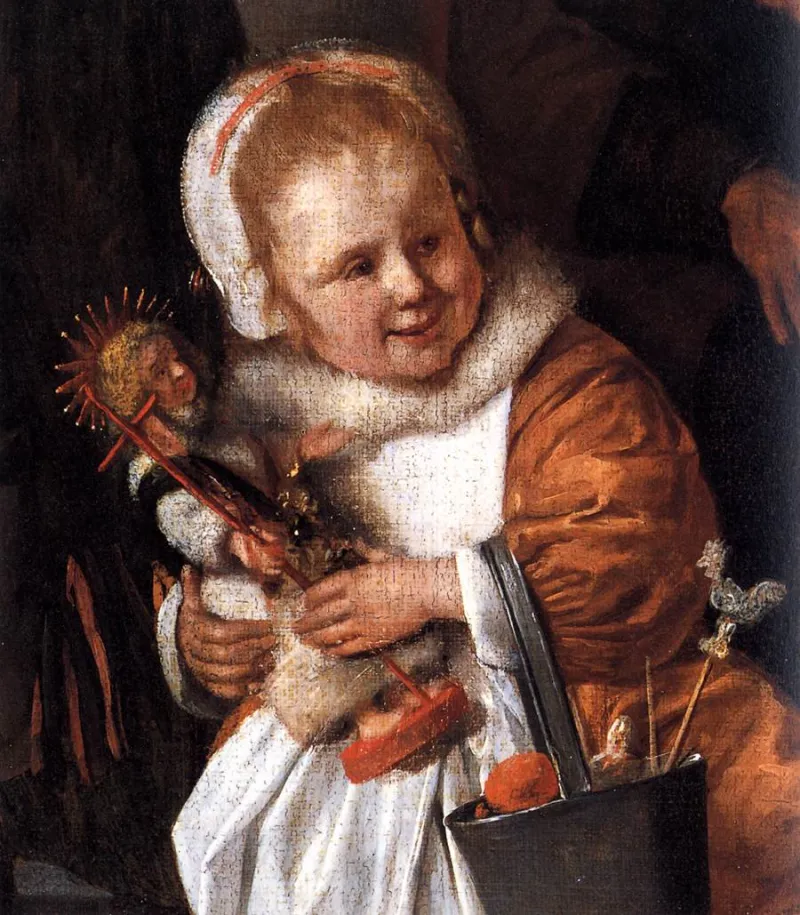
Photo: Jan Steen, Public domain, via Wikimedia Commons
St Nicholas Day is not a second Christmas, nor should it try to be. It is a patronal festival: a date in the civic and ecclesiastical calendar when a town, parish or maritime community can remember its patron saint in its own way. In 2026 the feast falls on Sunday 6 December, which gives churches, schools, heritage societies and local councils a useful convergence of weekend and festival. The following formats are already familiar in different parts of the UK. None requires a large budget; each depends more on partnership than spectacle.
1. A lantern walk from quay to church
A lantern procession works particularly well in ports and fishing towns, where the route can begin at a quay, fish market or harbour wall and end at a church dedicated to St Nicholas. The walk need not be long. A modest route, stewarded by volunteers and accompanied by a choir or brass group at the destination, can gather families and older residents alike. Lantern-making workshops in the preceding week give schools and community groups a stake in the event.
What societies can borrow: a simple route plan, a risk assessment, a lantern workshop, and a short act of worship or blessing at the end. Hot drinks and a collection for a local maritime charity complete the evening without turning it into a commercial spectacle.
2. A patronal evensong with civic representation
Churches with a strong choral tradition can mark the day through evensong or a patronal service, inviting the mayor, harbourmaster, RNLI volunteers, fishing association representatives and local heritage groups. The intention is not to create a civic pageant but to recognise the shared life of the town. Maritime intercessions, a reading about St Nicholas and a brief address on the saint’s connection with seafarers can give the service a clear identity.
What parishes can borrow: a short order of service, a named contact for civic invitations, and a commitment to include local uniformed and voluntary services in the prayers. Refreshments afterwards matter more than elaborate catering.
3. A choir tradition built on the saint’s story
Several places maintain carols or anthems associated with St Nicholas, but a town need not wait for a historic repertoire to begin. A scratch choir, local choral society or church choir can prepare a short programme for 6 December, drawing on medieval and modern settings of the saint’s legend. A commissioned piece is welcome where funds allow, but a well-rehearsed sequence of familiar and unfamiliar music is often more sustainable.
What organisers can borrow: a printable lyric sheet, a rehearsal schedule beginning in November, and a short spoken introduction to each item. The aim is participation, not perfection.
4. A heritage open day with tower and archive tours
St Nicholas Day offers a reason to open a church or chapel beyond its usual hours. Tower tours, bell-ringing demonstrations, guided walks around the churchyard and displays from local archives can attract people who would not normally attend a service. Where a building has maritime fittings, memorials or guild records, these should be foregrounded. A conservation talk by an architect or fabric officer can explain current repair priorities without making the day feel like a committee meeting.
What heritage groups can borrow: timed tickets, a steward rota, a simple exhibition of photographs and documents, and a donations point. If the building is small, partner with a nearby museum or library.
5. A schools and family workshop on giving
The stories associated with St Nicholas include secret gifts, rescue at sea and advocacy for the poor. A family workshop can explore these themes through craft, storytelling and a practical collection for a food bank or seafarers’ mission. Children might make simple gold-coloured tokens, decorate a shoe or lantern, or create a maritime prayer card. The tone should be generous rather than moralising.
What parishes and societies can borrow: a lesson outline, a craft materials list, safeguarding arrangements and a clear charitable purpose. Invite teachers early, and keep the session short enough for a winter afternoon.
6. A community table or winter market
A patronal feast can be as simple as soup, bread and a warm room after a service. Where a market is appropriate, local producers, craft stalls and heritage stalls should be balanced rather than submerged by generic Christmas retail. The distinction matters: St Nicholas Day is a local festival with a saint at its centre, not a shopping weekend with a religious label attached.
What organisers can borrow: a licensing checklist, a layout plan, a rota of local cooks, and a clearly advertised beneficiary for any proceeds. A community table also gives isolated residents a reason to come out in early December.
Why patronal festivals deserve support beyond the Christmas shopping season
Patronal festivals are easily overlooked because December is crowded. Yet they do something that the commercial Christmas calendar cannot: they tie a community to its own history, its own buildings and its own shared institutions. A lantern walk, a civic evensong or an open day is not merely nostalgic. It is a practical form of local conservation, because people support what they have seen, used and understood.
The opportunity for 2026 is to treat 6 December as a date worth planning for, not an afterthought before the rush. Parishes, schools, heritage societies and councils should share the work where they can. Residents should attend, donate and volunteer where they are able. If St Nicholas is to remain a living patron rather than a decorative figure, his day needs the same careful support that we give to the buildings that bear his name.