The Patron at the Lock: A 2026 Towpath Survey of St Nicholas on Britain’s Waterways
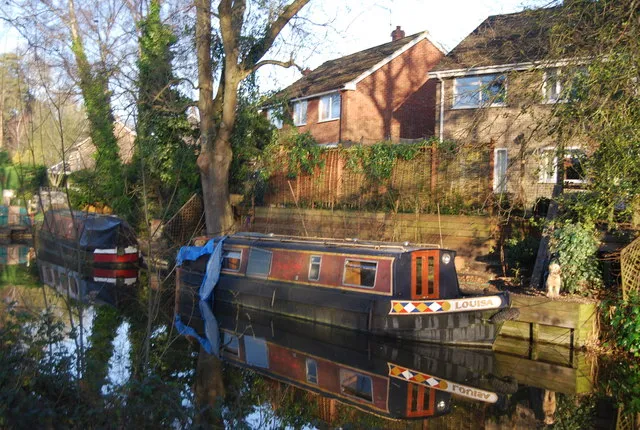
Photo: N Chadwick , CC BY-SA 2.0, via Wikimedia Commons
Britain’s inland waterways are rarely treated as a field for patronal study. The canal network is more often read through engineering, trade and leisure, with the narrowboat as a symbol of recovery rather than devotion. Yet a towpath walk in 2026 still turns up traces of St Nicholas: a church dedication at the edge of a wharf, a boat name painted in faded coach enamel, a mission-room notice board, a lock cottage ornament, a blessing of boats held in December. None of these is spectacular. Together they form a small, dispersed heritage that local societies are well placed to record.
Why the Patron of Sailors Appears Inland
St Nicholas is associated with sailors, travellers and those exposed to the hazards of weather and water. On the coast this association is familiar. On the cut it is quieter. Canal boatmen and their families worked within a narrow world of locks, bridges, wharves and long hours, and the risks were no less real for being inland: drowning, injury, isolation and the constant movement of cargo. Churches near wharves and bridgeholes sometimes carried the patronal dedication, while mission rooms and floating chapels served boating communities where ordinary parish attendance was difficult.
The evidence is often indirect. A church may be dedicated to St Nicholas but stand some distance from the water; a boat may carry the name for reasons of family preference rather than piety; a wharfside building may have lost its original use and its notices. The towpath survey therefore needs a light touch. It should ask what can be seen, what can be documented and what can be handed on, rather than forcing every painted name into a patronal interpretation.
Reading a Boat Name Without Over-Reading It
Boat names are personal. They may commemorate a place, a family member, a previous vessel or a private joke. A narrowboat called St Nicholas, Mitre or Bishop is not automatically evidence of devotional practice. What matters for heritage recording is the combination of name, lettering, position, date and context. Painted names on steel cabins are vulnerable to repainting, overpainting and the ordinary wear of lock walls and towpath vegetation. Signwritten letterforms can preserve the work of a particular boatyard or painter, and even a faded name may retain useful evidence of colour, spacing and style.
Local society members should record rather than interpret first. A photograph taken square-on, a second taken in raking light, a note of the mooring or lock, and a simple description of condition will be more useful than a speculative story. Where a name appears on an historic boat, ask the owner or boatyard before close inspection. Where a name appears on a modern leisure boat, record it only as part of a broader scene, not as a substitute for documentary evidence.
A Towpath Spotting Guide for 2026
A practical survey can begin with a single stretch of waterway. Choose a reach that is manageable on foot and has a mixture of rural and urban character. The Kennet and Avon, the Leeds and Liverpool, the Grand Union, the Oxford and the Trent and Mersey all offer different patterns of church, wharf and boatyard. Before walking, mark on a map the churches within roughly a kilometre of the canal and check their dedications. Note also former wharves, mission rooms, lock cottages and boatyards, since these are the places where small fittings and painted names are most likely to survive.
On the towpath, keep a simple record sheet. For each feature, note the date, location, what is visible, condition and any immediate threat. Photograph church notice boards only where they are publicly displayed and relevant. At moorings, avoid photographing people or private interiors without consent. At locks and boatyards, respect working spaces and ask before entering. The aim is a consistent local record, not a complete national inventory.
Conservation Notes: Paint, Fittings and Paper Trails
Faded painted names deserve particular care. Cleaning with abrasives or strong solvents can remove the very evidence that makes a name useful. Repainting before recording can destroy letterforms, colour layers and traces of earlier schemes. If a boatyard intends to repaint an historic boat, ask whether a photographic survey can be made first and a copy lodged with the local record office or waterways archive. A simple condition note should distinguish flaking, cracking, rust staining, overpainting and loss.
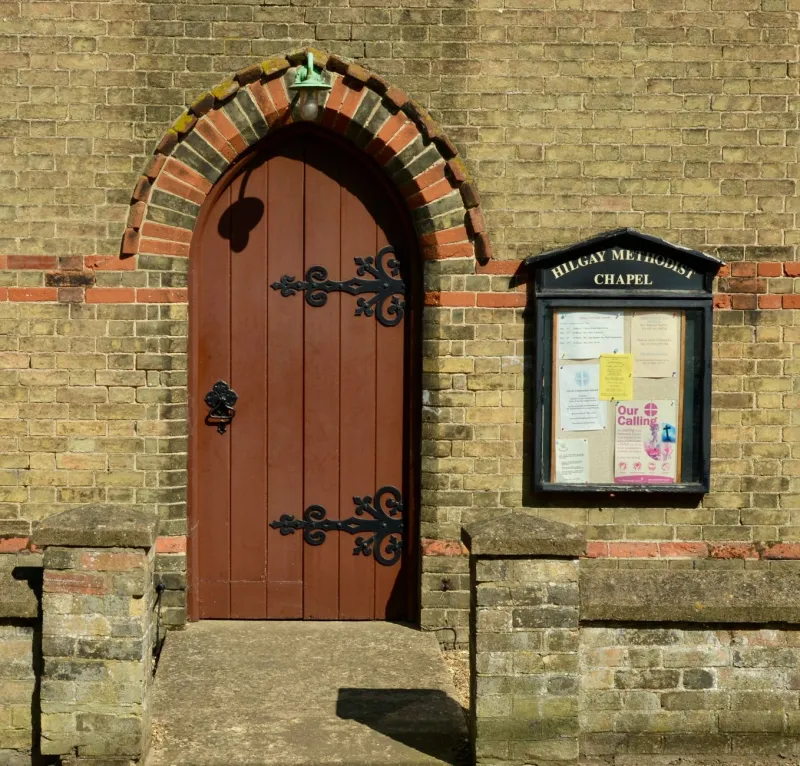
Wharfside mission rooms and chapels present a different problem. Fixed benches, stoves, notice boards, hymn boards and harmonium cases are easily removed during refurbishment. Local societies can help by making a room-by-room photographic record before alteration, noting inscriptions and fixtures in situ. Where fittings must move, the record should identify what was fixed, what was loose and what was replaced. Oral history has a role too: boaters and lock-keepers may remember how a room was used, which door was the main entrance and where notices were displayed.
Wharfside Customs and the Patronal Festival
St Nicholas Day falls on 6 December, a time when many canal-side communities are quiet and the water is cold. Some churches and waterway groups hold a blessing of boats or a modest patronal service; others mark the day through a winter gathering or a display in a mission room. These customs should be recorded as they are, not inflated into a lost tradition. A short entry noting the date, location, participants and any order of service is valuable. Local societies can also support such events by providing a display of earlier photographs or by helping to archive programmes and notices.
What Local Societies Can Do Before the Next Repaint
The most useful contribution is a shared record. Adopt a stretch of towpath, agree a recording format and deposit copies with the local historic environment record, the relevant waterways archive and the church or boatyard concerned. Keep the language factual. Avoid tidying, repainting or rearranging heritage without advice. Where a feature is at risk, report it through the proper channels rather than intervening directly.
St Nicholas on the cut is not a grand spectacle. It is a painted name, a mission-room bench, a church dedication and a winter gathering by the water. A 2026 towpath survey can make that quiet heritage visible and give it a better chance of surviving the next repaint, the next conversion and the next generation of boaters.