Shelter Under the Mitre: Reading St Nicholas Almshouses and Medieval Hospitals in 2026
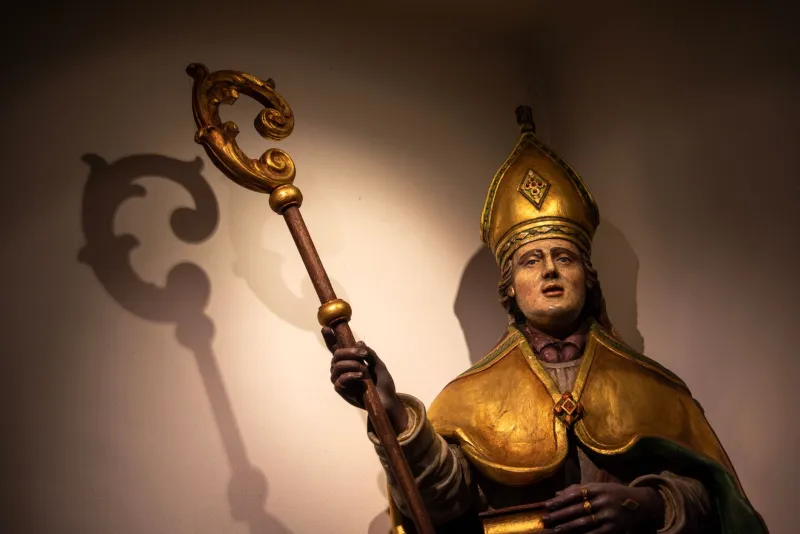
St Nicholas is familiar to most local societies as a patron of parish churches, seafarers and the feast on 6 December. Less often examined is the patron’s role in the long history of institutional care. Across Britain, foundations dedicated to St Nicholas survive as almshouses, former medieval hospitals, gatehouse ranges and modest chapels embedded in later domestic buildings. They are not simply picturesque survivors. They are evidence of a continuing obligation to shelter the poor, the sick and the traveller, and they deserve to be read with the same care we give to a parish church.
Why St Nicholas Foundations Look Domestic
A medieval hospital was rarely a hospital in the modern sense. Many were religious houses offering shelter, hospitality and spiritual care, often to the poor, the aged, the infirm or pilgrims. After the Reformation, some continued under new charitable arrangements; others were refounded as almshouses. The result is a building type that can confuse the first-time visitor. A St Nicholas foundation may present a chapel, a hall, a gatehouse and a range of dwellings in one irregular group. Its scale may be domestic rather than monumental. Its later additions may be more prominent than its medieval core.
This layered character is the point. The almshouse is a living charity, not a museum set. Its fabric records changes in poor relief, trustee administration, sanitary provision and residential expectation. A local society approaching such a site in 2026 should begin with the whole precinct, not only the chapel.
The Gatehouse as Threshold and Archive
The gatehouse is often the most legible part of a St Nicholas foundation. It marks the boundary between civic space and charitable enclosure, and it frequently carries the best dating evidence: a foundation inscription, a benefactor’s arms, a datestone, or a later plaque recording repair. Read the stonework for blocked openings, reset fragments and changes in coursing. Look at the roof pitch and the join between gatehouse and adjacent range. These details can reveal whether the present entrance replaces an earlier one.
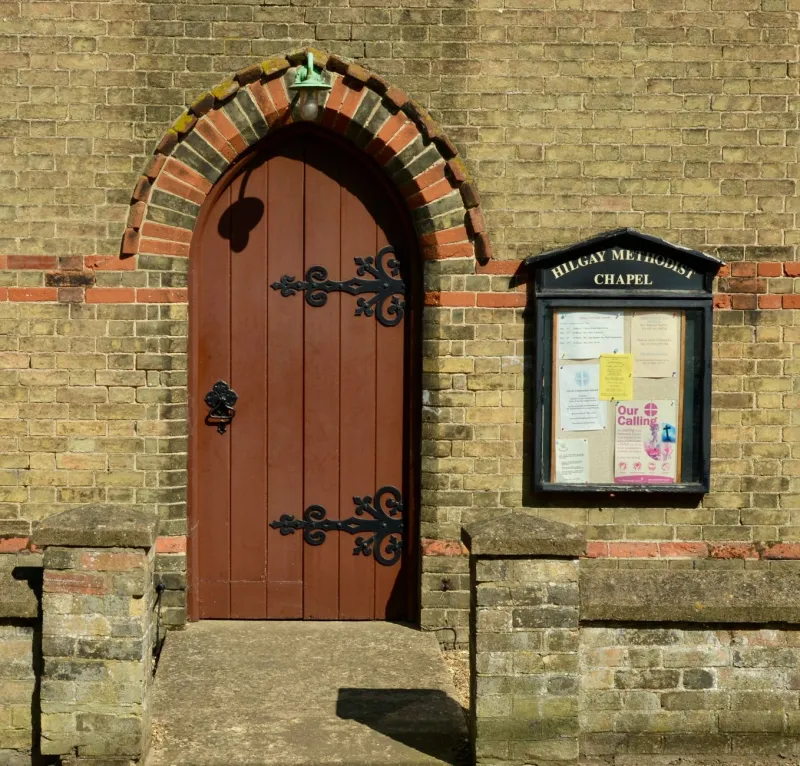
Gatehouses also preserve social history in miniature. Notice noticeboards, lettering and trustee plaques. They are not incidental clutter. They show how the charity has presented itself to the town and how benefaction has been remembered. Where boards are timber or painted metal, check for damp, insect damage, failed fixings and inappropriate modern screws. A photograph taken in raking light will often reveal earlier lettering beneath later paint.
Chapels, Windows and Later Additions
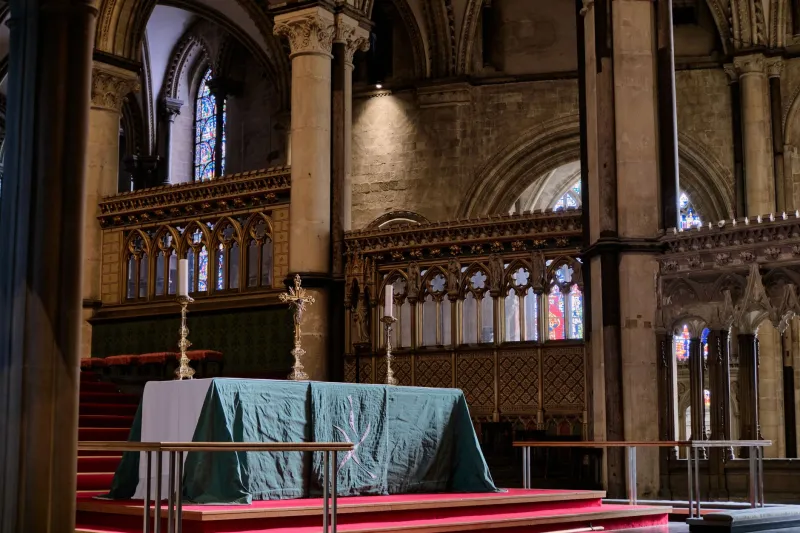
The chapel may be the most architecturally distinguished space, but it is not always obvious. Some chapels sit at first-floor level; others have been reduced, partitioned or converted. Look for the orientation of the surviving walls, the position of a piscina or image bracket, and any window tracery reused in a later range. A St Nicholas chapel need not retain a figura of the saint to be identifiable. The dedication may survive only in a document, a window inscription or a charity seal.
Later additions should be read sympathetically rather than dismissed. Victorian and twentieth-century ranges often represent a serious attempt to improve accommodation. Their brickwork, sanitation and joinery are part of the foundation’s conservation story. The practical question for 2026 is not whether later work is authentic, but whether it is coherent, repairable and compatible with the older fabric.
Boards, Benefactions and the Paper Trail
The written record is as important as the standing fabric. Charity boards list benefactors, rents and distributions, but they rarely tell the whole story. Compare them with trustee minutes, accounts, deeds, wills and diocesan records. County record offices, local studies libraries and the Charity Commission register can all add context. Listed building descriptions and conservation area appraisals will identify statutory constraints, while faculty records may explain changes to a chapel.
A local society should resist the temptation to treat almshouse residents as exhibits. These are homes. Any visit must be arranged through the clerk or trustees, with clear agreement about photography, access and publication. The most useful contribution is often documentary: a measured photographic record of publicly visible fabric, a transcript of an eroding board, or a short note on maintenance priorities for the trustees.
A Condition-and-Records Checklist for 2026
- Confirm permission, access arrangements and resident privacy before any visit.
- Record the whole precinct: gatehouse, chapel, hall, ranges, boundary walls and surfaces.
- Photograph inscriptions, datestones, charity boards and later plaques in raking light.
- Note roof coverings, gutters, downpipes, parapets and any sign of water ingress.
- Check masonry for eroded dressings, repointing with hard cement, and failed iron cramps.
- Inspect timber windows, doors and bargeboards for rot, distortion and inappropriate paint build-up.
- Record chapel evidence: orientation, blocked openings, window tracery, image brackets and floor levels.
- Compare standing fabric with listed building descriptions, faculty papers and historic maps.
- Trace benefaction and administration through trustee minutes, accounts, deeds and the Charity Commission register.
- Identify statutory designations and any conservation area or Article 4 constraints.
- Prepare a short, illustrated report for the trustees, distinguishing urgent repairs from longer-term research.
Planning a Responsible Winter Visit
St Nicholas Day falls on 6 December 2026, a Sunday. It is an appropriate moment to notice these foundations, but not necessarily to expect open doors. Winter visits should be arranged well in advance and should respect the rhythm of residential life. A modest external survey, followed by a records session in the local archive, is often more valuable than a rushed interior inspection.
The patron’s association with care for the poor, the sick and the traveller gives these sites a coherence that survives changes of use and denomination. To read a St Nicholas almshouse well is to read a charity across centuries: its gatehouse, its chapel, its boards and its later repairs are all part of one argument about shelter. Local societies can help by documenting that argument carefully and by supporting trustees in understanding what their fabric is trying to tell them.