Signed in Stone: A Volunteer Method for Recording Masons’ Marks in St Nicholas Churches
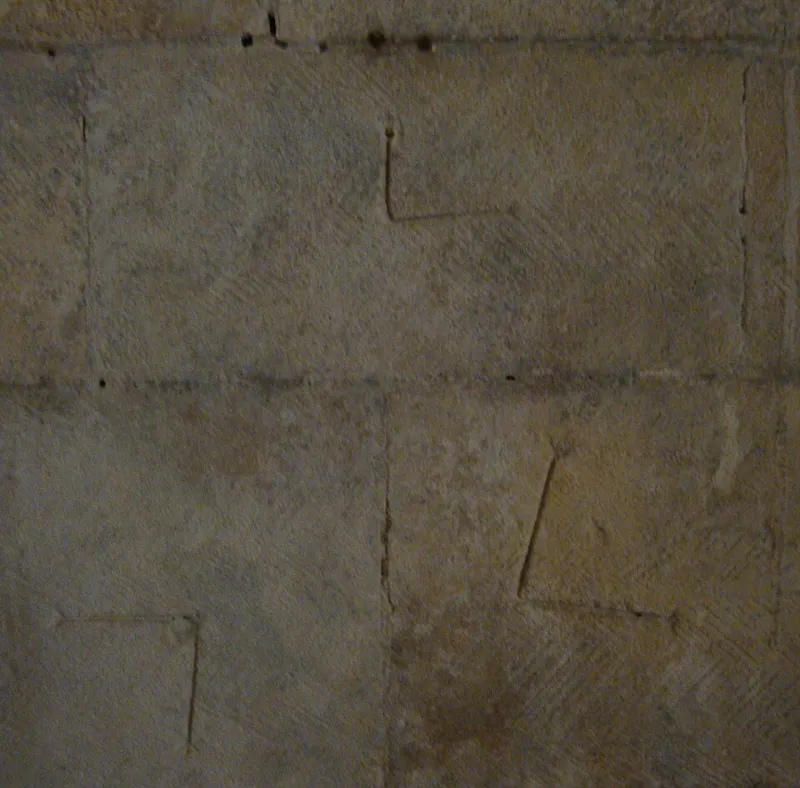
Photo: Roede, CC BY-SA 4.0, via Wikimedia Commons
Masons’ marks are easy to miss and easy to destroy. They are the small incised or punched symbols—a cross, a chevron, a letter, a compass-drawn figure—found on dressed stone in door jambs, arcade piers, tower walls and window surrounds. In churches dedicated to St Nicholas, they are part of the patron’s built heritage, as much as the image over the porch or the ship model above the aisle. They deserve a recording method, not a passing glance.
What the marks are
Most are working marks, not devotional symbols or graffiti. Banker marks were cut by the mason on the stone at the bench, often as a piece-work tally or a workshop signature. Assembly marks helped fit stones in the correct order on site. Quarry marks may identify a source or a block. The same mark can appear on stones in different parts of a building, which is why a simple sketch and location plan matter more than a romantic theory about ‘mason’s marks’ as secret signs.
A volunteer recording method
Work in good raking light, early or late in the day, or with a bright torch held at a low angle. Photograph each mark square-on with a scale and a label showing the bay, pier or jamb. Take a second photograph showing the stone in context. Record the following: location, stone type, tool marks, dimensions of the mark, depth, patina, mortar condition and any later damage. A soft brush is usually enough to remove loose dust; do not scrub, wash or chalk the surface.
Number the marks on a simple elevation drawing. Use a system that will survive later work: for example, Nave north arcade, pier 3, course 4, face east. Add a grid reference and a date. If the mark is on a loose stone, record it in situ first, then consult the fabric officer before moving anything.
What the marks can tell local historians
A cluster of identical marks may indicate a single workshop or a phase of work. Different marks in the same wall may indicate repair campaigns, reused stone or a change of contractor. On a tower, marks can help distinguish original masonry from a Victorian restoration. Compare the marks with those on other churches in the area; local workshops often worked across several parishes. The evidence is circumstantial, but it is evidence, and it can be tested against documentary sources, tooling and stone type.
A short field checklist
- Carry a soft brush, a scale, a torch, a pencil and a clipboard; leave chalk and marker pens in the bag.
- Photograph before you touch.
- Record the mark in relation to the building, not just the stone.
- Note the condition of the mortar and any active damp.
- Send a copy to the parish, the record office and the diocesan buildings officer.
- Keep a duplicate in the society’s own archive.
Conservation risks
Marks are shallow and easily erased. Abrasive cleaning, acidic washes and aggressive repointing can remove the surface that carries them. Lime mortar smeared across a dressed face can fill a fine incision; a wire brush can destroy it. Laser cleaning, used with care, may be appropriate in some cases, but it should never be commissioned without a condition survey and a specification that includes marks.
Any faculty application for cleaning or repointing should include a record of existing marks and a method statement for protecting them. Ask the contractor to avoid the marked faces, to use hand tools where possible and to report any newly revealed marks before work continues. The diocesan advisory committee will expect this level of care, and the local society can help by supplying a baseline record.
Why the humble mark matters
The marks are not the patron’s image, but they are the trace of the people who built and repaired the church in the patron’s name. They connect the fabric to labour: to quarrymen, bankers, setters and carvers whose names are otherwise lost. In a St Nicholas church, that is a proper part of the story. Record them in 2026, before the next clean, the next repoint or the next winter drives another fragment of surface away.