Timber, Tools and the Patron: Recording St Nicholas in Carved Church Woodwork
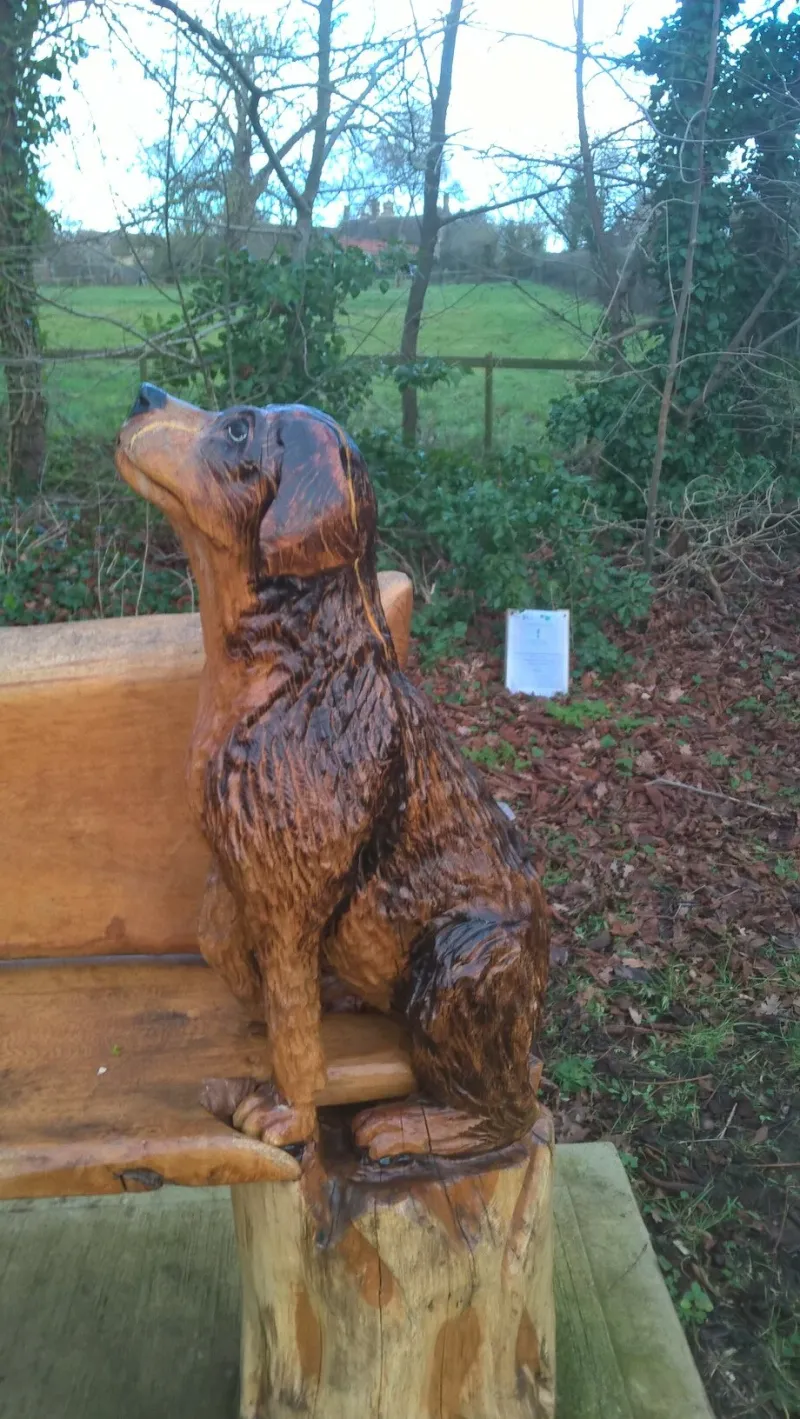
Photo: Paul Bryan , CC BY-SA 2.0, via Wikimedia Commons
St Nicholas rarely vanishes from a church interior altogether. He may be absent from the east window, hidden beneath a Victorian repaint or reduced to a fragment beside a lost image, yet the patron often survives in timber: a bench end in the nave, a misericord beneath a stall, a roof boss above the chancel arch, a panel on a screen or a figure on a pulpit. For local societies planning a record in 2026, carved woodwork offers a practical way into the patron’s presence because it is numerous, frequently documented and usually accessible with the permission of the parish.
Why begin with woodwork
Woodwork rewards close looking. A bench end may carry a small bishop with a mitre and a book; a roof boss may show only a hand, a ship or three purses, but those fragments can still be read. Timber also preserves evidence that stone and glass lose: tool marks, assembling marks, traces of original colour, later repairs and the initials or arms of donors. In a parish with modest documentary records, a carved pew or screen may be the most direct evidence of a medieval guild, a local benefactor or a nineteenth-century restoration.
The patron is particularly suited to this work because his attributes are portable. A carver did not need a full narrative cycle to make St Nicholas recognisable. A mitre, a crozier, three golden balls, a ship or three children in a tub could be compressed into a few inches of oak. That economy makes the woodwork useful for identification, but it also demands caution: several bishop saints share the mitre and crozier, and a ship may belong to a local trade rather than to the patron.
A simple identification key
Start with the figure and then test the context. A bishop in eucharistic vestments, wearing a mitre and holding a crozier, is a candidate for St Nicholas, but the identification is stronger when one or more of the following are present:
- Three golden balls, purses or roundels, usually held in the hand, on a book or beside the feet.
- A ship, anchor, mast or waves, especially where the figure is shown as a protector of sailors.
- Three children in a tub or beside a kneeling figure, recalling the patron’s best-known legend.
- A book, often closed and held against the breast, though this is a common episcopal attribute rather than a unique sign.
- An inscription, label, heraldic shield or guild mark that names the patron or the donor.
- A pairing with St George, St Catherine or another patron in a scheme of bench ends or screen panels.
A useful rule is to record what is visible before deciding what it means. Note the mitre, the crozier, the hand position, the object held, the direction of the gaze and any lost elements. A figure with a mitre and a ship may be St Nicholas; a figure with a mitre and a sword may be St Thomas of Canterbury. Where the attribute is missing, the context of the bench, aisle or guild chapel may supply the answer.
Where to look
Bench ends are the most familiar hiding place, particularly in East Anglia and the West Country, where pew ends often carry saints, animals, initials and merchant marks. Misericords beneath choir stalls preserve small carvings that are easily overlooked; they should be examined with a torch and a mirror, not by reaching into the stall. Roof bosses require binoculars from the floor and, where safe access is arranged, a closer inspection from a tower or scaffold. Screens may retain painted panels or carved tracery figures, while pulpits, lecterns, chests and door tympana can carry the patron in less expected places.
Record the object type, its position in the building and its relationship to other fixtures. A bench end at the west end of the nave may have been moved; a screen panel may have been reused. Photographs should include a scale, a general view and details of the attribute, the inscription and any damage. Where possible, record the wood species, though this may require specialist advice.
Common risks to timber and polychrome
Woodwork is vulnerable to the same pressures as the building, but often more quietly. Woodworm and death watch beetle can reduce historic timber to a honeycomb; fresh frass beneath a bench is a warning, not a cleaning problem. Central heating and draughts can cause cyclical movement, opening joints and lifting polychrome. Water ingress from a gutter or roof may stain and soften timber long before it is visible from the floor. Direct sunlight fades painted surfaces, while repeated handling and inappropriate cleaning remove traces of original finish.
Do not treat furniture with household insecticides, waxes or oils without advice. A conservator should assess active infestation, unstable paint and structural weakness. The parish should also consider whether a faculty is required before any intervention. Recording is not conservation, but a good record helps the parish and the diocesan advisory committee decide what matters and what can safely wait.
Building a county-wide woodwork record for 2026
A local society can make a useful contribution by adopting a consistent form. Record the church, dedication, grid reference, object type, location, dimensions, date or probable date, iconography, inscriptions, condition, evidence of repair and any documentary references. Add photographs with a scale and a note on lighting. Keep the language descriptive: 'bishop with mitre, crozier and three roundels' is more useful than 'St Nicholas' where the identification is uncertain.
Work with churchwardens and the diocesan advisory committee from the outset. Seek permission before moving furniture or using step ladders, and never disturb fixings or loose material. A training morning on photography, terminology and condition reporting will improve consistency across a county. The completed records can be shared with the local historic environment record and the parish, creating a baseline for future maintenance and a modest but durable act of conservation in the patron’s name.