From Pew to Project: A 2026 Advent Guide to Volunteering for Heritage Conservation
Photo: volunteers conserving historic churchyard UK autumn, via i0.wp.com
The weeks between 8 November and 6 December 2026 are a useful interval in the patronal calendar. They sit before the intensity of Christmas, yet after the autumn half-term. For members of the St Nicholas Society, they offer a chance to turn the approach to St Nicholas Day into something more than attendance at a service or a lecture. They offer a chance to work.
This guide is deliberately practical. It argues that the patronal season is well suited to small, supervised conservation tasks, and that local heritage projects are often more willing to welcome volunteers than members suppose. It also argues for restraint. Good volunteering begins with permission, insurance and a realistic sense of what can be achieved in a few weeks.
The Case for Seasonal Volunteering
St Nicholas is a saint of practical care: of travellers, sailors, children and those in need of protection. That tradition gives the patronal season a natural orientation towards service. A churchyard tidied before winter, a set of inscriptions recorded before stone weathers further, or a signboard survey deposited with the local archive are modest acts. But they are acts of conservation, and they connect the feast to the fabric of local life.
The period from 8 November to 6 December 2026 is also manageable. It is long enough to arrange a visit, attend a training session and complete a short task, but short enough to focus the mind. The aim should not be to overhaul a building or manage a major site. It should be to contribute a defined piece of work that a parish or trust genuinely needs.
What Conservation Volunteering Actually Involves
Conservation volunteering is broader than many members imagine. It includes practical outdoor work, documentary research, visitor support and survey work. The following categories are among the most common.
- Churchyard and church fabric tasks: path clearance, bulb planting, careful removal of vegetation from monuments, and supervised maintenance under the direction of a churchwarden or fabric officer.
- Monument and inscription recording: photographing memorials, transcribing difficult lettering, and noting condition for a local record office or family history society.
- Archival and oral history work: cataloguing parish papers, digitising photographs, or recording memories of local trades and festivals.
- Biodiversity and landscape work: maintaining wildlife corners, managing hedgerows, and supporting churchyard conservation schemes.
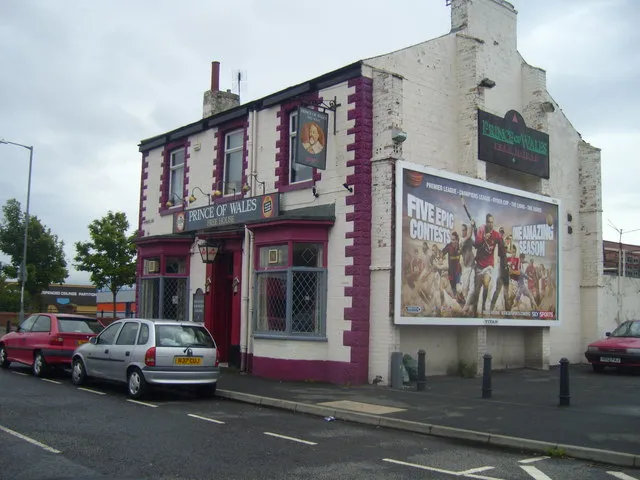
- Signboard and street furniture surveys: recording historic pub signs, shop fascias and boundary markers, as part of a wider local heritage record.
- Event support: helping at heritage open days, patronal festivals, concerts or guided walks.
Not all of this is physical. For many members, documentary and recording work will be the most useful contribution, and it can often be done indoors during poor weather.
First Principles: Safety, Permission and Insurance
No volunteer should begin work on a historic site without the agreement of the body responsible for it. For a parish church, that normally means the Parochial Church Council, working with the incumbent and, where relevant, the Diocesan Advisory Committee. For a church in the care of the Churches Conservation Trust, approach the trust directly. For a secular site, the local authority, heritage trust, National Trust or civic society may be the appropriate contact.
Ask about insurance, supervision, training and personal protective equipment. Do not clean memorials, repoint masonry, treat stone or move heavy objects without explicit instruction. Lime mortar, leadwork and carved stone are not amateur materials. The most valuable volunteer is one who knows the limits of the task.
How to Approach a Parish or Heritage Trust
A short, specific enquiry is more persuasive than a general offer. Write to the parish office or heritage trust in early November 2026, explain that you are a member of the St Nicholas Society, and propose a defined task. For example: a churchyard survey on a Saturday morning, a photographic record of memorials, or help with an afternoon open day before St Nicholas Day.
Offer dates, numbers and skills. If you have experience in photography, archiving, gardening or administration, say so. Ask what would actually help, rather than arriving with a preconceived project. A parish that is already stretched may welcome a small, well-organised team far more than a large, uncertain one.
A Six-Week Checklist for 2026
Week beginning 8 November. Identify one parish, church or heritage site with a St Nicholas connection. Check its website and recent notices. Draft a short email or letter of enquiry.
Week beginning 15 November. Follow up by telephone if there is no reply. Ask about insurance, supervision and any training requirement. Confirm whether a DBS check is needed for work with children or vulnerable adults.
Week beginning 22 November. Agree a specific task, date and time. Keep the group small. Confirm what tools and clothing are needed, and whether the site has indoor space in case of rain.
Week beginning 29 November. This is Advent Sunday in 2026. Use the week to complete any preparatory reading, gather record sheets or cameras, and check travel arrangements. If the task involves recording, test your equipment and print spare forms.
Week beginning 6 December. St Nicholas Day falls on Sunday 6 December 2026. Complete the agreed task before or around the feast, thank the site staff, and confirm where the records will be deposited. A brief written note of what was done is useful for future volunteers.
Keeping the Commitment Realistic
The patronal season should not become a burden. A single morning of supervised work, properly agreed and safely carried out, is a genuine contribution. The test is not the scale of the intervention, but whether it leaves the site and its records in better order.
St Nicholas is remembered for quiet, practical service. In 2026, that tradition can be expressed in a churchyard, an archive or a recorded signboard. The weeks between 8 November and 6 December are enough to begin.