Mitres for Small Heads: The Patient Revival of the Boy Bishop Service
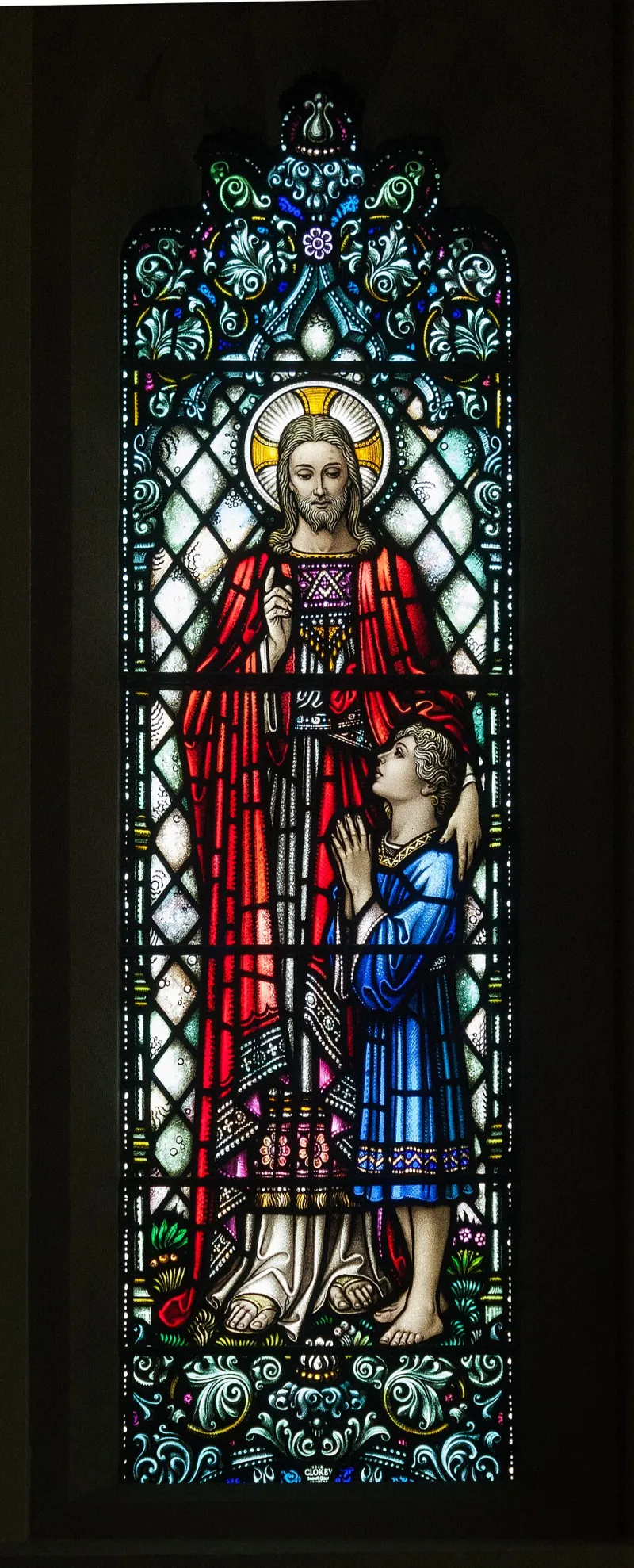
Photo: Andreas F. Borchert, CC BY-SA 4.0, via Wikimedia Commons
The feast of St Nicholas has long carried a note of inversion. The patron of children was remembered on 6 December, and in the medieval church that day became the occasion on which the youngest voices in the building were, for a short season, given the loudest ones. The custom of the boy bishop — a chorister elected to the episcopal office, robed, seated and obeyed — was once among the most familiar rituals of the English winter. It was also among the first to disappear. Five centuries on, it is returning in a quieter, more carefully framed form.
An Office for the Youngest Voice
The mechanics of the custom varied from place to place, but the essentials were remarkably consistent. On or around St Nicholas Day, the choristers or 'children of the chapel' elected one of their number as bishop. He was dressed in a miniature mitre and cope, given a crozier and, in the larger foundations, a small household of attendants drawn from his fellow singers. His authority ran until the feast of the Holy Innocents on 28 December, when the season of child-rule traditionally ended.
In that window he presided at certain services, preached, and received offerings. Cathedral statutes and churchwardens' accounts from York, Salisbury, Exeter, Lincoln and dozens of parish churches record the practical costs: gloves, shoes, cloth for a small cope, and what one set of accounts disarmingly calls his lordship's dinner. The most pointed moment was musical. At Vespers the Magnificat antiphon Deposuit potentes de sede — he hath put down the mighty from their seat — acquired a wry second meaning that no congregation could have missed.
Why the Reformation Ended It
The custom did not survive the 1540s. A royal proclamation of 1541 set out to abolish practices judged superstitious, and the boy bishop was named among them. It was briefly restored under Mary I before being suppressed again in the reign of Elizabeth I, this time for good.
The reformers' objections were partly doctrinal and partly practical. The ceremony was bound up with the old Sarum rites and with prayers for the dead, and it looked, to Protestant eyes, like precisely the kind of theatrical popery the settlement was designed to remove. But complaint also came from within. Cathedral clergy had for decades grumbled that the custom had become an excuse for drinking, gambling and unruly money-collecting among the singing men as much as the boys. By the time it was abolished, the joke had worn thin for those charged with keeping order in the close.
What the Archives Still Hold
Much of what we know comes from paper rather than fabric. Churchwardens' accounts are the richest source, and many are held in county record offices where volunteers have been transcribing them for years. Conservation work on these volumes is unglamorous but consequential: rebinding, cleaning of iron-gall ink, control of humidity and, increasingly, high-resolution digitisation so that fragile pages need not be handled again.
The most tangible survivals are the tokens. Small lead and pewter pieces, struck in Suffolk and Norfolk and given out as souvenirs or small change during the festivities, turn up in museum collections and occasionally in the ground. They need stable conditions and inert storage rather than intervention. Textiles are rarer still: a handful of small-scale vestments survive, though attributing any of them securely to a boy bishop is a cautious business, and curators tend to say so plainly in their labels. Music manuscripts and processional books complete the picture, and conservators treat them with the same discipline as any other liturgical book — support, low light, acid-free housing, and as little handling as the catalogue allows.
The Revival, and Its Limits
Modern revivals are deliberately modest. Cathedrals including Salisbury and Hereford have staged a chorister bishop in recent years, and a number of parish churches, particularly in Norfolk and Suffolk where St Nicholas dedications cluster, mark the patronal day with a service led by children. The tone is educational rather than satirical. The purpose is to place young singers at the heart of the liturgy for one day, not to send up the episcopate.
Clergy are understandably careful. Some dioceses prefer the occasion to be billed as a celebration of choristers rather than a re-enactment, and the ceremony is usually trimmed to a single service rather than a four-week season of misrule. Where a cope is worn, it is often a modern one made for the purpose; where medieval fabric survives, it stays in the case.
Where to Look in 2026
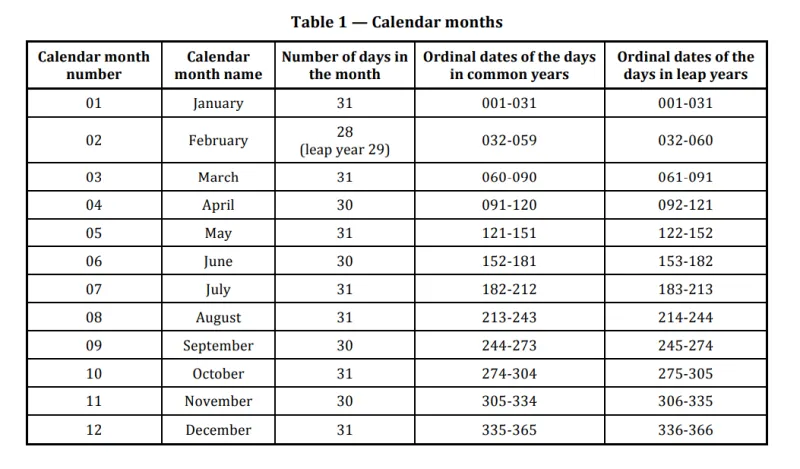
St Nicholas Day falls on Sunday 6 December in 2026, which means many parishes with the dedication will keep their patronal festival at the principal morning service — a good year to hear the custom described from a pulpit even where it is not staged. The Holy Innocents falls on Monday 28 December, the traditional closing point of the boy bishop's season.
Cathedral Advent and Christmas listings are usually published from late October, and chorister events are often free but ticketed because seating in the choir is limited. Parish details tend to appear later, on benefice websites and in pew sheets. Visitors should expect photography restrictions during services and should check access times, since many cathedrals close the choir between offices.
A visitor hoping to see a mitre on a small head should therefore plan loosely and confirm directly. The custom has always depended on local goodwill rather than central direction, and that is arguably why it has proved so durable — suppressed, forgotten, catalogued, and now, gently, sung again.