Sound Above the Frost: The Bell Bands Keeping St Nicholas's Feast Audible

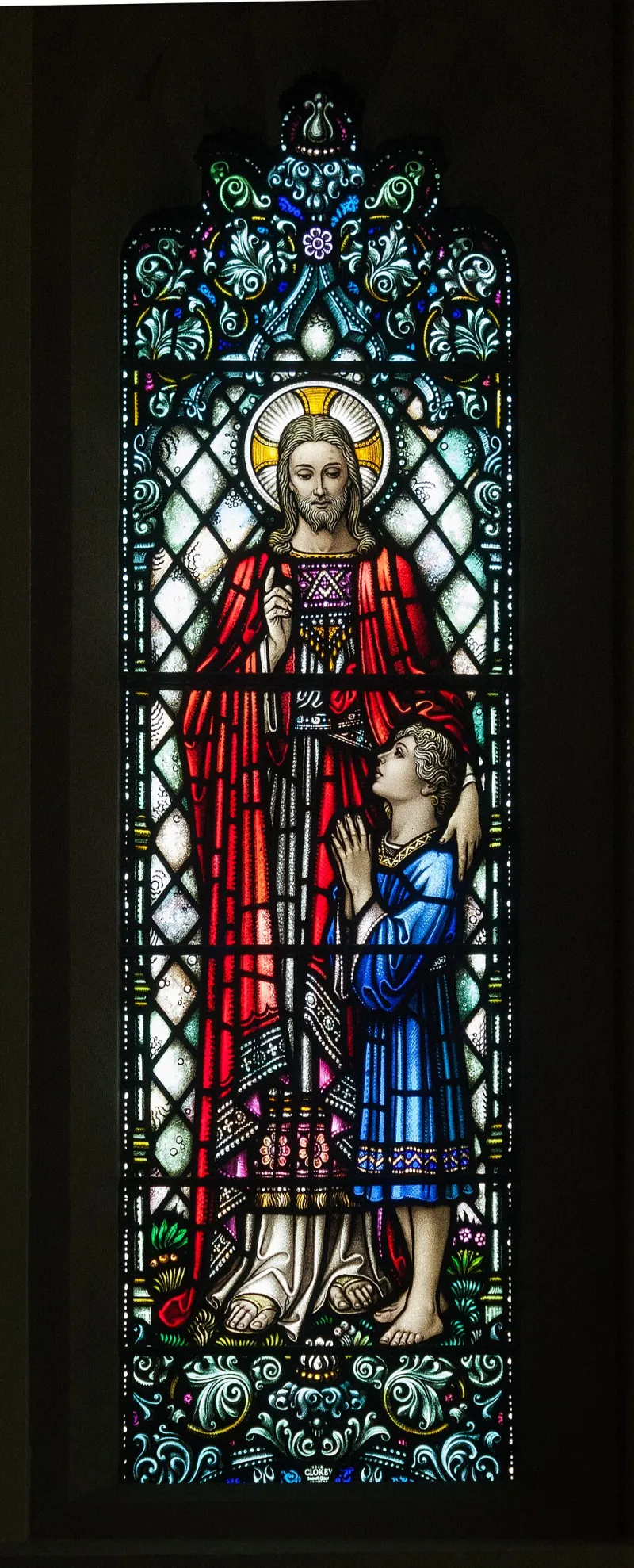
Photo: Kevin Rae, CC BY-SA 2.0, via Wikimedia Commons
A little before first light on 6 December 2026, the tower of a parish church dedicated to St Nicholas will be cold, damp and probably full of borrowed chairs. The ringers will arrive with torches, thermos flasks and a well-thumbed service sheet. By the time the first dog-walkers cross the churchyard, the bells will be sounding across the roofs in the measured sequence that announces the patronal festival. It is a familiar scene in many British towns, yet it depends on an unusually practical kind of heritage work: recruitment, ropemaking, structural surveys, fundraising and the quiet discipline of weekly practice.
A Winter Custom with a Working Timetable
St Nicholas's Day falls on 6 December, deep enough into the winter for bell chambers to be at their least hospitable. Ringers speak of condensation on the ropes, stiff bearings and the particular chill of a stone spiral stair before dawn. The customs vary. Some towers attempt a patronal peal or quarter peal; others ring call changes before the parish Eucharist, or join a benefice-wide sequence of short touches through the afternoon. In coastal parishes, where St Nicholas is remembered as patron of sailors, the ringing may be tied to a harbour service or a civic occasion. In inland towns, the same feast is often marked with nothing more elaborate than a notice in the pew sheet and a determined band of eight.
The practical preparations begin weeks earlier. Practice nights move from autumn to winter patterns. Tower captains check ropes for wear, inspect the bell fittings and confirm that the church's insurance and faculty permissions are in order. Where a bell has been rehung or a new rope installation is planned, the patronal season can become a deadline: a target that concentrates minds and fundraising committees alike.
The Tower Captain's Year
The tower captain is rarely a paid officer. Typically a volunteer with a long memory for method names and a short tolerance for late cancellations, this person coordinates practice, liaises with the incumbent and churchwardens, and keeps an eye on the physical fabric of the belfry. The role is part teacher, part steward and part events organiser. A good captain knows which learner needs a steady rope, which visitor needs a reminder about the danger of loose clothing, and when the bells should be lowered rather than risk a difficult ring in high wind.
In 2026, many bands are also thinking about succession. The average age of ringers in some parishes remains high, and the loss of two or three active members can silence a tower for a season. The response is often unglamorous but effective: open days, taster sessions, links with local schools, university ringing societies and neighbouring bands. The most successful recruitment does not begin with a poster asking for volunteers. It begins with an invitation to climb the tower, hear the bells from below and try a backstroke on a tied bell under supervision.
Recruitment Beyond the Poster
Ringing is an intangible heritage, which means it survives only when it is taught. A new ringer must learn handling before method, safety before speed and teamwork before performance. The learning curve is real, but so is the social reward. Practice nights have their own rituals: the rota for tea, the annual outing, the shared lift to a neighbouring tower, the mild competition over who remembered the correct touch. For heritage bodies, this is a useful reminder that conservation is not only about fabric. It is also about the transmission of skill.
Some towers have responded by pairing ringing demonstrations with wider church tourism. A short talk on the bells, a display of old bell-founders' marks and a chance to see the frame can turn a Sunday afternoon opening into a recruiting ground. Others have found that simple accessibility matters more than spectacle: clear signage, a warm vestry and a named contact who replies to enquiries. The bell chamber may be ancient, but the welcome needs to be modern.
Paying for Bells, Ropes and Sound
Bell conservation is rarely cheap. Rehanging a ring, repairing a frame, replacing bearings, improving ventilation or installing sound-control measures all require specialist advice and significant sums. Parishes draw on a patchwork of funding: local historic churches trusts, National Lottery Heritage Fund programmes, benefactors, parish reserves, fundraising events and the modest income of the tower's own appeal. Diocesan bell advisers and professional bell hangers are usually involved, not least because a badly specified repair can create problems for the next generation.
The patronal festival can be a useful fundraising focus, but it should not become merely a performance. The best projects explain why the bells matter: as musical instruments, as markers of time, as part of the church's liturgical life and as a local sound that residents recognise without needing to see the tower. A recorded peal, a photographic exhibition of the belfry and a short history of the founders can raise both money and understanding.
Why the Patronal Peal Still Matters
On 6 December, the bells will not solve the wider challenges facing parish life. They will, however, do something that few heritage activities can match. They will make continuity audible. A visitor does not need a guidebook to understand that the same tower has marked the feast for generations. The sound carries over rooftops, shops and car parks, joining the old boundaries of the parish to the present. In 2026, that is worth the cold stairs, the practice nights and the careful work of keeping a band together.