Stones, Swards and Sanctuary: A Parish Churchyard Survey for 2026
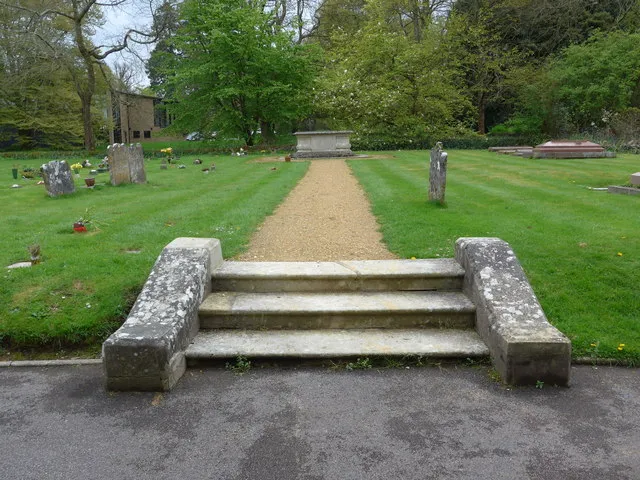
Photo: Basher Eyre , CC BY-SA 2.0, via Wikimedia Commons
A St Nicholas churchyard is rarely just a lawn around a building. It is an enclosed record of the parish: boundary walls, yews, table tombs, military inscriptions, wildflower strips and paths worn by generations. In 2026, many congregations and local societies are treating that record as a conservation project in its own right, without turning the ground into a museum. The task is delicate. Ancient fabric, wildlife value, memorial safety and community access all press on the same small acre.
The churchyard as a managed landscape
Conservation in a churchyard begins with recognising that almost nothing there is accidental. The mowing regime, the ivy on a wall, the nettle patch behind a shed and the age of a yew are all products of decisions, neglect or both. For open churchyards, the incumbent and parochial church council normally carry responsibility, with diocesan advisory committees offering guidance on works affecting the setting. Closed churchyards may pass to the local authority, though local groups often remain the practical custodians. In either case, good conservation depends on record-keeping as much as on tools.
The balance sought is not between “wild” and “tidy” but between competing public goods. A path kept clear allows frail visitors to reach a grave. A margin left unmown allows cowslips and knapweed to set seed. A leaning headstone may be a hazard; it may also be a piece of local craftsmanship that should be recorded before any intervention. Memorial safety testing should be carried out by trained people under the relevant diocesan or local authority arrangements, not by volunteers with a crowbar.
Why St Nicholas churchyards repay attention
The patronal link gives these grounds a particular character. A church dedicated to St Nicholas often sits near a market place, a bridge, a harbour or an old route, and its churchyard preserves the names of traders, mariners, farmers and benefactors. The feast on 6 December may be the obvious moment for celebration, but the churchyard asks for attention throughout the year. Winter is a good time to read inscriptions through low vegetation; late spring and summer are better for recording wildflowers and insects.
Ancient yews, boundary banks, lychgates and chest tombs are part of the historic environment. So are less obvious features: iron railings, hand pumps, parish boundary markers and the subtle ridges of old paths. Churchyards can also be havens for wildlife where surrounding land is intensively managed. Lichens on stone, bats in a tower, slow-worms under matting and birds in hedges all depend on disturbance being kept modest and well timed.
A practical survey checklist
Before visiting, seek permission from the incumbent or PCC, or from the relevant local authority for a closed churchyard. Check insurance arrangements for any organised group. The aim is observation, not intervention: no lifting stones, no scrubbing masonry, no removing ivy, no collecting plants or disturbing wildlife. A notebook, pencil, camera, simple map and hand lens are enough. Record the date, weather and the names of those surveying.
1. Setting and boundaries
Note the churchyard boundary: wall, hedge, fence or railings. Record its condition in general terms and any obvious repairs. Mark the main entrances, paths and steps on a sketch map. Note whether the ground is level, sloping or uneven, and where access is difficult.
2. Grass and wildflower management
Describe the mowing pattern rather than merely calling the grass long or short. Are there formal strips, paths, or a margin left for wildlife? Record wildflowers in flower and seed, and note whether cuttings are removed. Evidence of scrub encroachment should be noted, but not cleared.
3. Trees and shrubs
Record mature trees, especially yews, and any recently planted specimens. Note deadwood standing or fallen, and whether it obstructs a path. Do not attempt to age a tree precisely; a rough note and a photograph are more useful than a guess.
4. Wildlife
Record birds, insects, lichens and any evidence of bats or small mammals without disturbing them. A simple list is sufficient. Photographs of lichen on a north-facing wall can be valuable later, provided the stone is not cleaned or wetted for a better image.
5. Stonework and memorials
Note the types of memorial: headstones, crosses, chest tombs, kerbs, ledgers and monuments. Record obvious instability, open joints, erosion, graffiti or vegetation growth. Do not test a stone by pushing it. If a memorial appears unsafe, report it through the proper channel.
6. Inscriptions and local history
Transcribe selected inscriptions accurately, including names, dates, occupations and any military or maritime detail. Note errors and unusual phrasing. Avoid relying on chalk or flour to make lettering legible; gentle raking light, such as early morning sun, is safer. Cross-reference names with the local record office or parish registers where possible.
7. Paths, furniture and access
Record benches, noticeboards, bins, taps, gates and handrails. Note muddy or overgrown paths and any trip hazards. A churchyard that is valued by the community must be reachable, but access improvements should not come at the cost of burying archaeology or compacting tree roots.
8. Risks and reporting
Keep a short list of concerns: a leaning tomb, a damaged wall, fly-tipping, broken glass, a blocked drain. Pass the list to the PCC or local authority with photographs and grid references if possible. Do not publish precise locations of vulnerable wildlife or valuable movable items.
From record to conservation
The most useful survey is one that is shared and repeated. A copy should go to the parish, with a second lodged with the local record office or amenity society if appropriate. Local wildlife trusts and churchyard conservation schemes can advise on management, and the charity Caring for God’s Acre provides practical guidance for community groups. A short annual walk on or near St Nicholas Day can turn a survey into a habit, building a picture of change over time.
Conservation in these grounds is rarely dramatic. It is the annual cut taken at the right moment, the path cleared before winter, the inscription recorded before the lettering falls, the unsafe stone reported rather than pushed. A St Nicholas churchyard kept in good order is not merely a setting for a church. It is a parish archive, a wildlife refuge and a public place, held together by patient custody.