Threads of the Patron: Caring for St Nicholas Vestments and Processional Banners
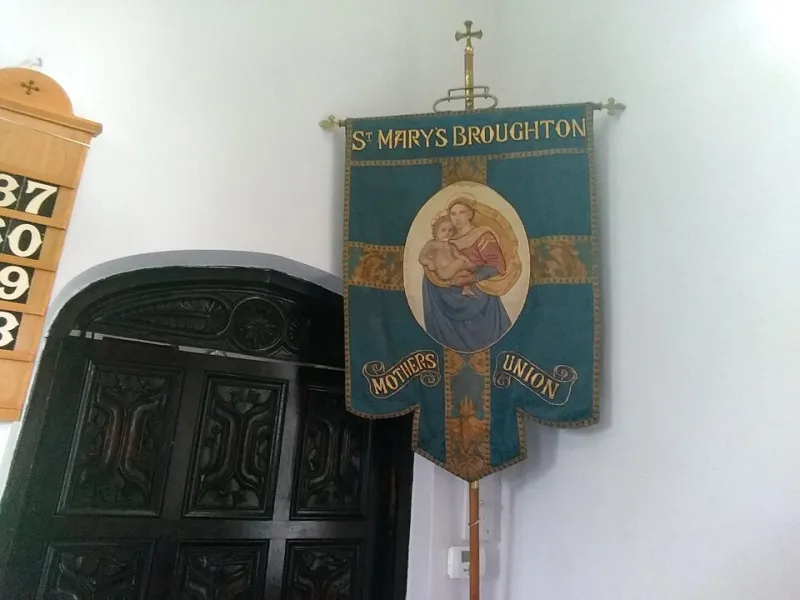
Photo: Garry Lavender-Rimmer , CC BY-SA 2.0, via Wikimedia Commons
On the feast of St Nicholas, textiles come into their own. A cope is lifted from storage, a banner is fixed to its poles, an altar frontal is changed and a figure of the patron is dressed or unveiled. These are not merely decorative additions to the patronal festival. They are part of the way the parish makes the saint present to the congregation and to the street. Yet textiles are among the most fragile things a church owns, and the very occasions that give them meaning also expose them to risk.
What counts as the patron’s wardrobe
The phrase can be understood generously. It includes vestments associated with the patronal festival, such as a cope or chasuble embroidered with the patron’s emblems; processional banners carried on 6 December; cloths used around an image or reredos; and smaller items such as burses, veils and frontals where the iconography points to St Nicholas. Some pieces will be Victorian or later; others may preserve medieval orphrey work, reused embroidery or the initials of a guild. Each has its own value, and each needs a record.
Begin by separating the liturgical from the documentary. A banner may be important for parish identity even if its fabric is modern; a small fragment of medieval embroidery may be historically significant even if it is no longer used. Both deserve care, but they require different decisions.
First principles: condition and provenance
Before any display or cleaning, make a simple condition record. Note the object type, dimensions, materials, date or probable date, maker or supplier if known, inscriptions, iconography and any previous repairs. Photograph the whole object and the damaged areas with a scale and colour target if available. Record the current storage method, the last occasion of use and the names of anyone who has handled the piece.
Look for the usual signs of trouble: fading along folds, tidelines from damp, rust marks from pins or wire, shattered silk, loose embroidery, split seams, brittle rubber-backed banners and adhesive labels that have stained the ground fabric. Old repairs are part of the object’s history, but they may also be failing. Do not unpick, wash or iron historic textiles without specialist advice. Even a well-meant attempt to remove creases can flatten embroidery and accelerate loss.
Light, display and rotation
Textiles suffer cumulative light damage. A banner hung in a south aisle or a cope displayed for weeks can fade irreversibly. Where display is desirable, use diffused light, exclude ultraviolet where possible and keep exposure to a minimum. A temporary exhibition for the patronal festival is preferable to a permanent hang in direct sun. Rotate items so that no single piece carries the whole burden of display.
Support matters as much as light. A heavy banner should hang from a properly padded pole or a purpose-made sleeve, not from nail holes or a hem. A cope should be supported across the shoulders on a padded hanger or laid flat with soft padding. Avoid wire, adhesive tape, drawing pins and plastic covers that trap moisture. If an item is to remain on view, monitor it monthly for sagging, dust and insect activity.
Pests, storage and handling
Wool, silk and linen attract moths, carpet beetles and silverfish. Store textiles in a clean, dry, dark place with stable temperature and relative humidity. Use acid-free tissue and boxes where possible, and avoid sealed plastic bags unless a conservator has advised otherwise. Check stored items at least twice a year, looking for live insects, frass, casing and holes. Freezing and anoxia treatments should be carried out by specialists, not improvised in a parish freezer.
Handling is the other great risk. Clean hands, removed jewellery and a clear table are basic precautions. Carry large items in a support or on a clean sheet, never by a single corner. For processions, rehearse the route and the fixing method before the day. A banner that is too heavy for its bearers, or a cope that trails on wet stone, will be damaged in minutes. The parish should nominate one person to oversee textile care and keep a simple log of use.
When to call a conservator
Call a conservator when textile is actively deteriorating, when embroidery is loose, when a banner is structurally unstable, when there is mould or active pest infestation, or when a faculty proposal involves alteration or display. A conservator can also advise on mounting, cleaning and storage. The diocesan advisory committee can usually point parishes towards accredited specialists. Early advice is almost always cheaper than later repair.
A diocesan textile survey for 2026
A diocesan survey would give parishes a shared baseline. It could record the location, condition and use of vestments and banners, identify pieces at risk and offer simple guidance on storage and display. Local societies can support the work by helping parishes compile photographs and histories, and by flagging items that are rarely seen. The survey need not be expensive to be useful. A standard form, a training session and a willingness to share results would do much to prevent the quiet loss of textiles that currently sit in cupboards and vestries.
St Nicholas is a patron of sailors, travellers and those in need of protection. It is fitting that the textiles that carry his image should be protected in turn, not as museum objects alone but as living parts of the parish’s worship and public witness.