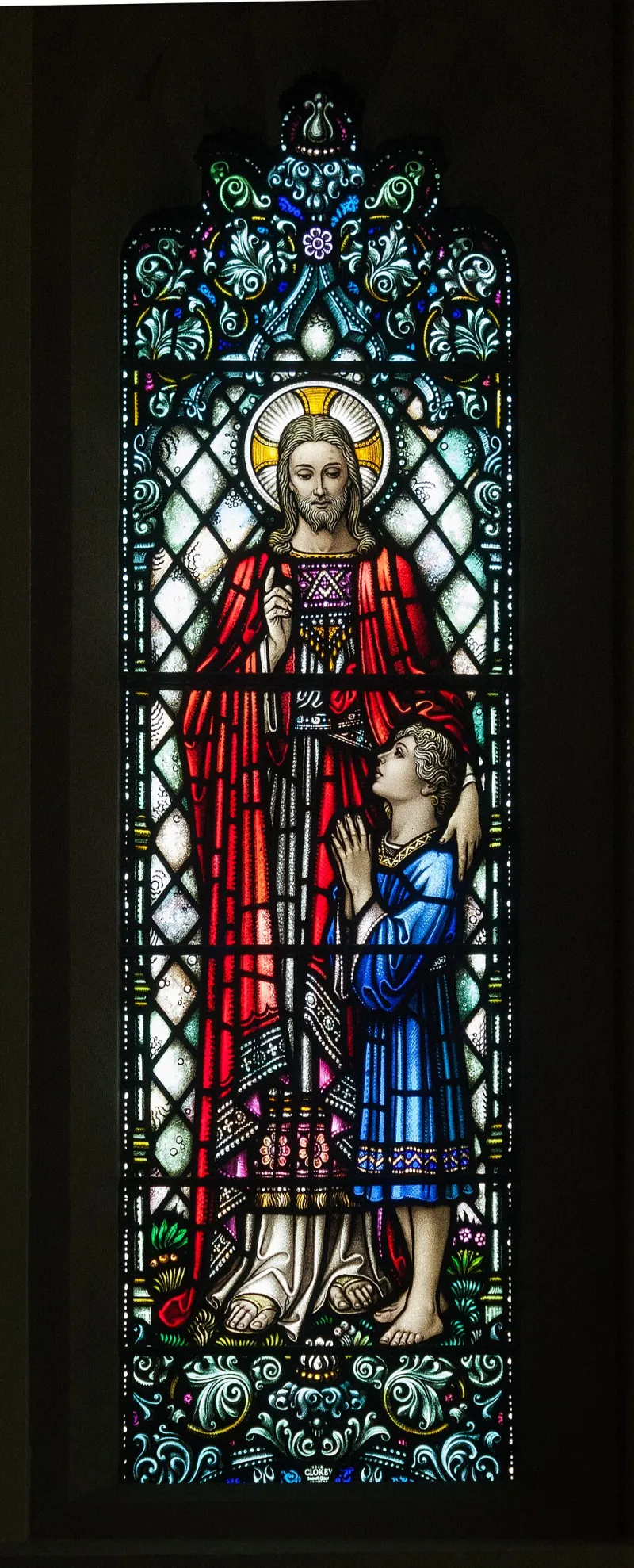
The Unmade Toast: Why Every Town Hall Should Try a St Nicholas Supper in 2026
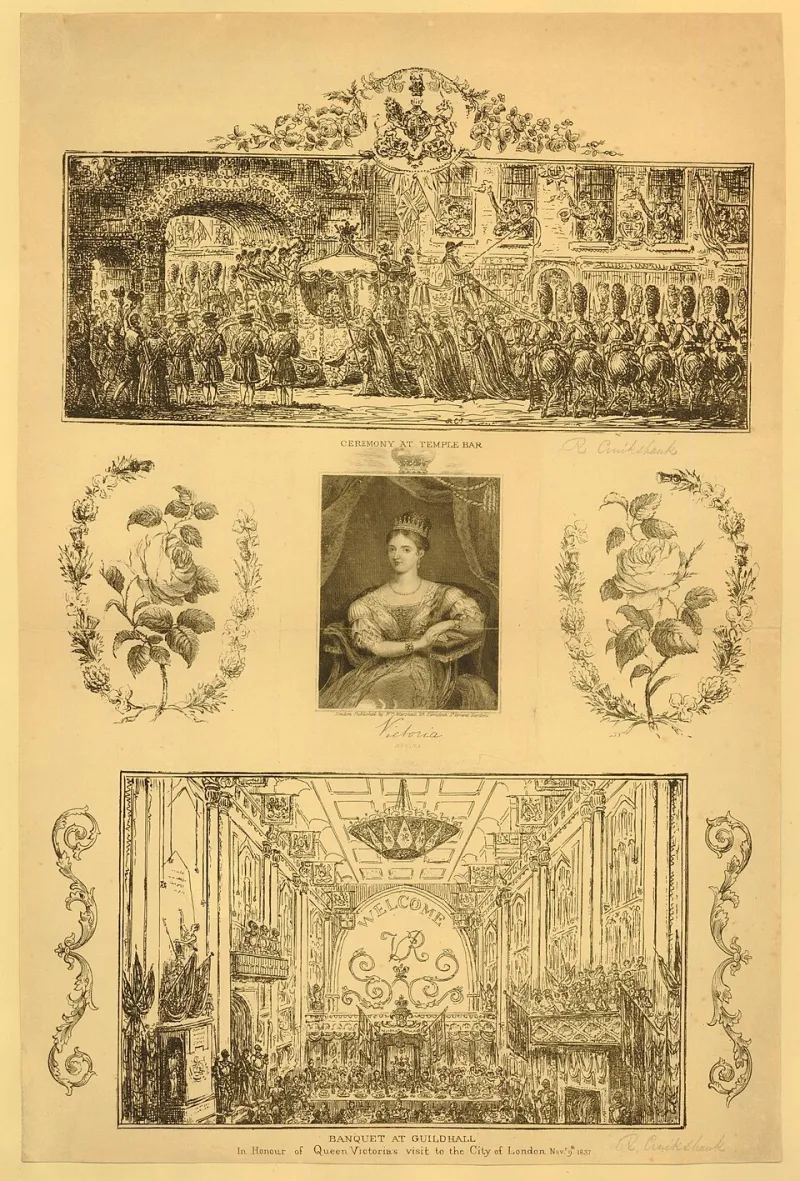
Photo: Print made by: Isaac Robert Cruikshank (lithographs) Published by: William Marshall (Engraving), Public domain, via Wikimedia Commons
In a county record office, the St Nicholas supper survives as a thin bundle: a menu card, a numbered ticket, a toast list. The paper is often ordinary — a single sheet, printed by the local newspaper — but it records a form of civic life that has almost disappeared. Victorian and Edwardian towns knew how to keep a patronal feast. They printed bills of fare, invited the mayor and the guilds, and raised a glass to the saint who watched over merchants, sailors and children. In 2026, with so many church roofs and windows in need of repair, the case for reviving the St Nicholas supper is stronger than nostalgia alone.
What the archives show
The surviving menus are not modest. A typical late nineteenth-century bill of fare might list mock turtle soup, boiled turbot, roast sirloin, game pie, mince pies and a moulded jelly, with cheese and biscuits to follow. The tickets were often numbered and signed by stewards; the toast list was the real programme. Toasts to the sovereign and the bishop came first, then the patron saint, the town and trade, the fabric fund and absent friends. The supper was a municipal occasion as much as a parish one. It said that the town knew who its patron was and was prepared to dine in his honour.
Why the custom faded
Several forces did the damage. The Victorian revival of medieval customs lost energy after the First World War. Civic councils became more secular, or at least more anxious about religious patronage. The office Christmas party and the school nativity play absorbed the social energy of December. And St Nicholas Day, 6 December, sits awkwardly in a month already crowded with concerts, fairs and shopping. The result is that many towns now mark the patronal day with a school assembly or a pub quiz, if they mark it at all. The loss is not merely sentimental. A town that cannot make room for its patronal day has outsourced its memory to the Christmas lights switch-on.
A blueprint for 2026
A revived St Nicholas supper should not be a Christmas dinner with a saint's name attached. It should be a distinct event with a clear conservation purpose. The following template is deliberately practical.
1. Start with the fabric, not the food
Choose one project: a window, a roof, a piece of stonework or a heating scheme. Set a target and ask the fabric officer or churchwarden to provide a one-page brief. Every ticket and every toast should point to that project. Guests give more readily when they can see what their money will repair.
2. Assemble a small, boring committee
You need a treasurer, a caterer, a local historian, a fabric officer and someone who can sell tickets. Add the town clerk if the event is in the town hall. Keep the committee small enough to meet in a kitchen. Avoid creating a new charity if the parish or a friends group can hold the funds.
3. Fix the date and venue
Hold the supper on or near 6 December 2026. A parish room, guildhall or town hall is better than a hotel function room because the building itself is part of the argument. Check licensing, accessibility and safeguarding. If alcohol is served, offer a good alcohol-free alternative and say so on the ticket.
4. Design a ticket that teaches
Print a numbered ticket with a short note on the St Nicholas window or roof being repaired. Include the date, time, venue, menu and toast list. Price the ticket to cover costs and include a visible donation element. Offer sponsored seats for those who cannot afford the full price, and keep a record of donations for Gift Aid where eligible.
5. Plan a menu that is historical but cookable
Do not attempt a full Victorian banquet. A modern supper might begin with a simple pottage or soup, followed by roast beef or goose with roots and greens, then mince pies and cheese. Mince pies belong on the table because they are a genuine December food, not because they are Christmas decorations. Keep the menu short, seasonal and affordable. A printed bill of fare, modelled on the archive examples, costs little and adds ceremony.
6. Write a toast list with a purpose
Three or four toasts are enough. Toast the saint, the town, the fabric fund and absent friends. Ask the local historian to speak for five minutes on the archive menu or the window being repaired. Do not let the evening become a sequence of long speeches. The point is conviviality with a purpose, not a lecture.
7. Keep it distinct from Christmas
No Santa, no cracker jokes, no office-party playlist. Instead: a short account of St Nicholas, a display of the archive menu, and a clear ask for the fabric fund. Candlelight, plain linen and a single image of the saint will do more than tinsel. The supper should feel like a patronal feast, not a seasonal office outing.
8. Report back
After the event, publish the total raised and the next stage of the conservation project. Send donors a photograph of the repaired stonework or the cleaned glass. A supper that reports back becomes an annual institution; one that disappears into a general fund does not.
The test of success
The test is not whether the supper is the most glittering event in the town's December. It is whether a visitor leaves knowing more about St Nicholas, more about the building, and more about the repair that their ticket has helped to fund. A civic supper is a small act of conservation. It keeps a custom alive and it keeps a roof over the glass. In 2026, that seems worth a toast.